

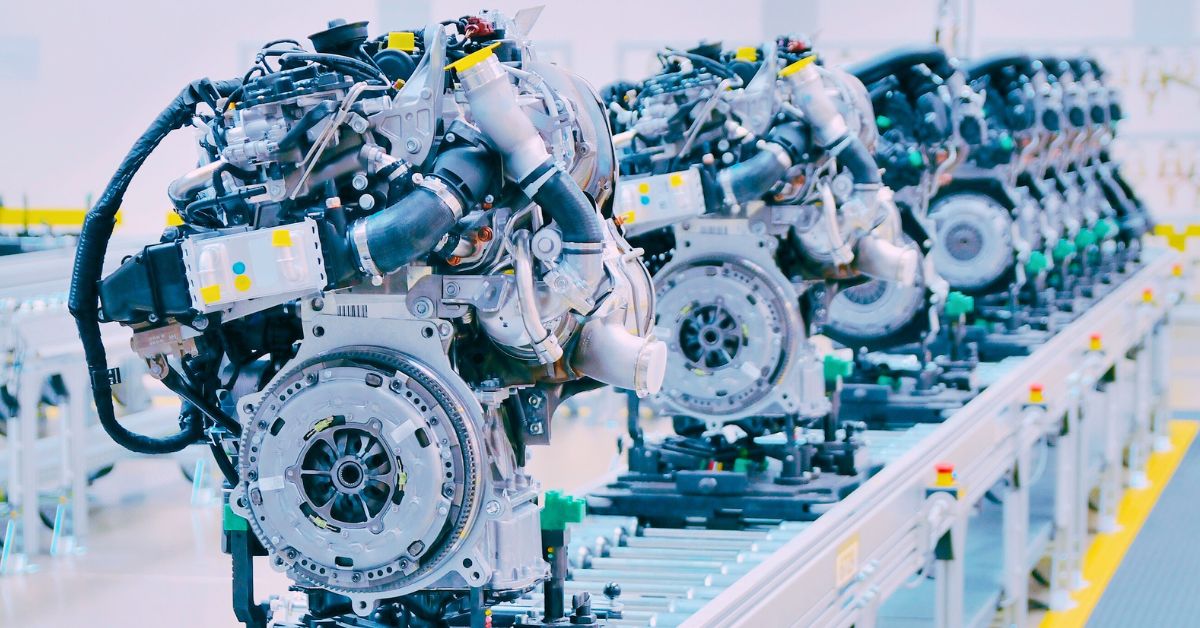
Buying a Manufacturing Business in the UK: Key Considerations for 2026
The UK manufacturing sector continues to offer significant acquisition opportunities for both investors and operators.
The combination of a skilled workforce, advanced infrastructure, and a growing focus on domestic production makes the sector particularly attractive in 2026. Acquiring an existing manufacturing business provides immediate access to facilities, machinery, supply chains, and customer relationships that would take years to develop organically. It also allows buyers to acquire specialist knowledge, proprietary processes, and technical expertise – even in the form of patents – that may be closely guarded by existing owners, enabling them to accelerate growth and market penetration.
In addition, acquiring a manufacturing business is far faster than attempting organic growth. This makes M&A particularly appealing in niche or highly technical manufacturing segments.
Economic Climate and Strategic Timing
The broader UK economy is showing encouraging signs despite increased taxes and higher overall budget overheads. These factors, combined with stabilising inflation and scheduled interest rate reductions, create a favourable environment for strategic acquisitions. Lower borrowing costs improve affordability, making it easier for buyers to finance transactions while maintaining cash flow.
The UK’s fiscal prudence, combined with strengthened trade ties with the EU, India, and other international partners, has made the country a more attractive base for exporting goods. Manufacturers looking to serve international markets benefit from these relationships, improving the long-term growth potential of acquisitions.
Government policy is also a key consideration. Labour governments typically encourage higher capital spending, which creates opportunities for businesses producing components for public sector projects. In addition, planned increases in housing stock are expected to drive demand for construction-related products, from materials to specialised components, presenting further opportunities for manufacturers.
Market Opportunity and Sector Growth
The UK manufacturing sector had a total estimated value in 2024 of £464 billion and is projected to grow at a compound annual growth rate (CAGR) of 8.70% between 2025 and 2033, reaching £1,071 billion at the end of the forecasted period. This forecast reflects the sector’s long-term resilience, strong domestic and international demand, and ongoing investment in technology and capacity.
There are many types of manufacturing businesses in the UK. Recent year-on-year output growth for 2025 vs 2024, as ascertained by Fourjaw, highlights the strongest sub-sector performers:
- Aerospace & Spacecraft: +26.5%
- Metals, Metal Products & Machinery: +7.0%
- Computer, Electronic & Electrical: +5.9%
- Food & Beverage: +4.1%
- Chemicals & Pharmaceutical: +2.5%
- Textiles, Apparel & Leather: +10.0%
Oxford Economics forecasts that transport equipment, computer, electronic, and optical products, and basic pharmaceuticals will experience particularly strong growth through to 2033. Niche areas such as weapon and ammunition manufacturing are projected to grow 15.7% in 2026, while 3D printing services are expected to achieve a 6.7% CAGR over five years.
The purchasing managers’ index (PMI), an indicator of private manufacturing sector activity, increased from 50.6 in December 2025 to 51.8 in January 2026?
Certain sectors, such as the Green Economy, are growing rapidly, creating opportunities to acquire businesses that complement or bolt on to existing operations. Buyers who strategically target high-growth segments can position themselves to capture emerging market opportunities.
Operational and Financial Due Diligence
Operational due diligence is crucial when buying a manufacturing business. Machinery, equipment, and production systems – capital expenditure – often represent the largest investments into these types of businesses. Buyers should review the condition, maintenance history, and expected remaining useful life of equipment, as well as any potential deferred maintenance. Independent inspections are advisable to ensure there are no hidden issues that could affect operational continuity or require significant capital expenditure post-acquisition.
Efficiency and scalability are equally important. Buyers should analyse workflow, production capacity, and potential bottlenecks to ensure the business can sustain or increase output. Modern production systems, automation, and digital management tools enhance operational resilience and support growth without requiring immediate investment.
Financially, buyers must carefully review working capital, stock levels, and accounts receivable. Inventory should reflect normal operational requirements and be accurately valued. Work in progress, particularly in complex or specialist production, must be considered in valuation to avoid disputes. Joint stock takes near completion are standard practice to ensure accuracy and prevent disagreements that may lead to falling foul of earn-outs and warranties stipulations.
Machinery and equipment may be subject to hire purchase or lease agreements. Buyers should confirm ownership status, outstanding liabilities, and lender consent requirements, as these may affect transaction structure. Acquiring an established business also allows buyers to access client relationships, supplier networks, and specialist expertise that might otherwise take years to develop.
Legal Structure, Workforce, and Property Considerations
M&A deal structure significantly affects risk and complexity. A share purchase acquires the company as a whole, including all assets and liabilities, while an asset purchase allows selection of specific assets and avoidance of historical obligations. The choice depends on the buyer’s objectives, risk appetite, and due diligence findings.
Employees are a critical component of value. Skilled and experienced staff maintain production quality, support customer relationships, and preserve operational knowledge. Buyers should review employment contracts, pension obligations, and management structures to ensure continuity. Regulations govern employee transfers in UK acquisitions and must be carefully managed.
Property is another major consideration. Buyers must confirm whether premises are owned or leased, assess ongoing costs, and ensure the facility is suitable for continued manufacturing operations. Environmental compliance is essential, as manufacturing businesses may face regulation relating to emissions, waste management, and historic contamination.
Intellectual property often underpins competitive advantage. Proprietary processes, technical know-how, and designs must be properly documented and legally protected to maintain long-term operational and commercial value. This is especially pertinent to medical manufacturers and other highly technical subsectors.
Negotiation, Completion and Integration
Successful acquisitions rely on informed negotiation, comprehensive due diligence, and appropriate legal structuring. Buyers should evaluate operational risks, capital expenditure needs, and long-term growth potential when agreeing terms.
Legal agreements formalise the transaction, defining protections, obligations, and financial adjustments. Completion accounts are commonly used to reflect the financial position at transfer, ensuring the final price corresponds to actual working capital, inventory, and operational performance.
A structured transition period can be key to maintaining continuity post-acquisition. Seller involvement in the handover allows knowledge transfer, preservation of supplier and customer relationships, and support for operational stability. This approach reduces risk, helps maintain performance, and supports scalable long-term growth but is typically subject to the final terms of the deal contract.
A key component is having a knowledgeable business broker operating in the sector.
The Value of Specialist Expertise in Manufacturing M&A
Acquiring a manufacturing business involves more than general financial or operational knowledge. Each subsector presents unique challenges, from complex machinery and technical processes to specialised contracts and regulatory compliance.
Working with a broker who understands these nuances is critical.
Altius Group has deep sector expertise and experience in UK manufacturing M&A. We navigate complexities such as account fluctuations from NEC3 and NEC4 contracts, structuring earn-outs, warranties, and deferred payments to reflect these variables and protect both parties.
Altius offers buyers access to businesses across multiple manufacturing niches. Recent successful transactions illustrate this breadth of sub-sectors:
- Wm Coulthard & Company Ltd, sold to Thundercat Industries, a long-established lubricating and packaged systems manufacturer based in Carlisle. Founded in 1888, the business had remained in partial family ownership for generations, reflecting the trust placed in Altius Group to manage the sale of such a historic and highly respected company.
- Midlands Special Fasteners Ltd, sold to Teqnion AB, a listed Swedish industrial group. Based in Walsall, Midlands Special Fasteners produces critical fasteners and machine components for sectors including gas turbines, nuclear, power generation, and motorsport. This deal highlights our experience handling international buyers and complex cross-border transactions.
- Thames Gateway Manufacturing Ltd, a contract electronic manufacturing business in Ilford, sold to an existing operator, ensuring continuity of high-quality services across multiple industries.
These examples help demonstrate our ability to cater to different manufacturing niches – from fasteners and packaging to contract electronics – while managing sector-specific risks, complex contracts, and long-term client relationships. By leveraging our sector expertise, we help buyers make informed decisions, reduce risk, and maximise long-term value.
The UK manufacturing sector is projected to continue benefiting from export opportunities, increased government spending, and ongoing investment in technology and infrastructure. Buyers who combine careful due diligence, informed negotiation, and structured integration are well-positioned to acquire businesses that deliver sustained value, operational resilience, and strong growth potential in 2026 and beyond.
For anyone looking to acquire a manufacturing business in the UK, working with a specialist broker like Altius Group is essential for a smooth transaction, successful integration and sustainable growth.